Quick answer
Dry socket is a painful complication of extraction in which the protective blood clot is absent or breaks down before healing has progressed. Pain often becomes worse a few days after removal and may come with an unpleasant taste or smell. Contact the treating dentist: examination, gentle socket care and a dressing may help, while antibiotics are not automatically needed.
What dry socket is and is not
After an extraction, a clot normally protects the healing socket. Dry socket, also called alveolar osteitis, is a painful complication associated with loss or breakdown of that protective clot. Pain can increase several days after treatment and may be accompanied by an unpleasant taste or breath. A visible opening alone does not diagnose it: a socket can look like a hole while healing. Other causes of pain, including infection or irritation, may require different care. A dentist needs to assess the history and site. This guide helps you prepare for a review; it cannot determine the cause of your pain from a symptom checklist.
References: Guy’s and St Thomas’: dental surgery recovery · Mayo Clinic: dry socket diagnosis and treatment
Recognise a change in the recovery pattern
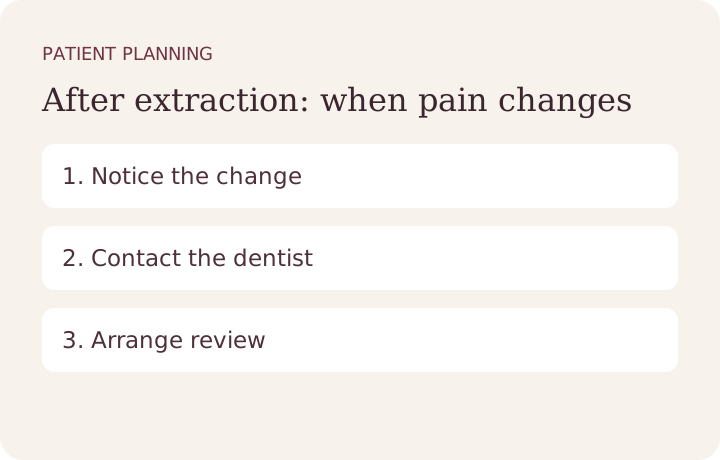
Some soreness and swelling are expected after extraction and can vary with the difficulty of surgery and your health. A useful detail is the direction of change: is pain gradually settling, or did it become markedly worse after initially improving? NHS hospital guidance describes dry-socket symptoms often emerging around three to five days after extraction, but that timing is not a diagnosis and other causes remain possible. Severe or worsening pain that is difficult to manage deserves a call to the dental team. Record the date and time of extraction, when discomfort changed, and whether you notice an unpleasant taste, fever, bleeding or increasing swelling.
References: Guy’s and St Thomas’: dental surgery recovery · Mayo Clinic: dry socket diagnosis and treatment
When a symptom needs urgent help
Rapidly increasing facial, mouth or neck swelling, difficulty breathing or swallowing, or severe illness requires emergency medical assessment. Persistent heavy bleeding and worsening pain or swelling also need timely professional advice. Do not assume that all pain is dry socket merely because a tooth was removed recently. Contact the treating clinic and describe the change; if you cannot reach it or you have already left Korea, seek assessment locally. Emergency services are more appropriate than waiting for a message response if breathing or swallowing is affected. The urgency depends on the whole picture, including fever, medical conditions and the speed of change.
References: Guy’s and St Thomas’: dental surgery recovery · Mayo Clinic: dry socket diagnosis and treatment
What happens at a review
The dentist asks about the extraction and symptom timeline and examines the mouth. They may consider whether the appearance and tenderness are consistent with dry socket or another complication. A photograph can support a conversation but cannot reliably replace the examination. Depending on findings, the dentist may gently irrigate the area and use a medicated dressing or other pain-relief measures. The aim is symptom relief while healing continues; a dressing is not a promise that the socket will close immediately. Ask whether the dressing requires removal or replacement, how to care for it, what relief is expected and when another review is needed.
References: Guy’s and St Thomas’: dental surgery recovery · Mayo Clinic: dry socket diagnosis and treatment
Why antibiotics are not automatic
Dry socket and a spreading dental infection are not interchangeable diagnoses. Antibiotics are not routinely the answer to every painful extraction socket. The examining clinician decides whether there is evidence of infection or another indication and chooses care accordingly. Do not use medication left from a previous illness or a companion’s prescription. If an antibiotic is prescribed for a specific reason, discuss allergies, other medicines, expected benefit and when to seek reassessment. A worsening face or neck swelling, or trouble breathing or swallowing, requires emergency assessment rather than waiting to see whether tablets work.
References: Guy’s and St Thomas’: dental surgery recovery · Mayo Clinic: dry socket diagnosis and treatment
Caring for the area after review
Follow the written instructions from the treating clinician because an extraction, a dressing and your medical history can change the advice. Do not probe the socket with fingers or instruments, scrape it, or pack it with household material. Continue gentle cleaning of the other teeth and ask when and how to clean around the surgical site. If you have been given a rinse, use it as directed rather than rinsing forcefully or repeatedly changing products. Contact the team if a dressing falls out and symptoms return, or if pain remains severe. Ask about suitable pain relief rather than exceeding package instructions or applying medicines directly to the gum.
References: Guy’s and St Thomas’: dental surgery recovery · Mayo Clinic: dry socket diagnosis and treatment
Food, fluids and daily activities
Pain may make eating or drinking difficult. Choose foods and temperatures that you can tolerate and ask the clinician for personalised advice if intake is poor. Avoid chewing directly on a sore surgical area until your dentist says otherwise. After local anaesthetic, do not bite a numb lip or cheek; sensation should return before you judge the area by feel. Follow the extraction team’s instructions about exercise, alcohol and rinsing because the timing varies by procedure. Ask for advice about smoking or vaping, which are associated with impaired socket healing. If you struggle to keep fluids down, contact a clinician rather than waiting for a scheduled review.
References: Guy’s and St Thomas’: dental surgery recovery · Mayo Clinic: dry socket diagnosis and treatment
A plan if you are travelling
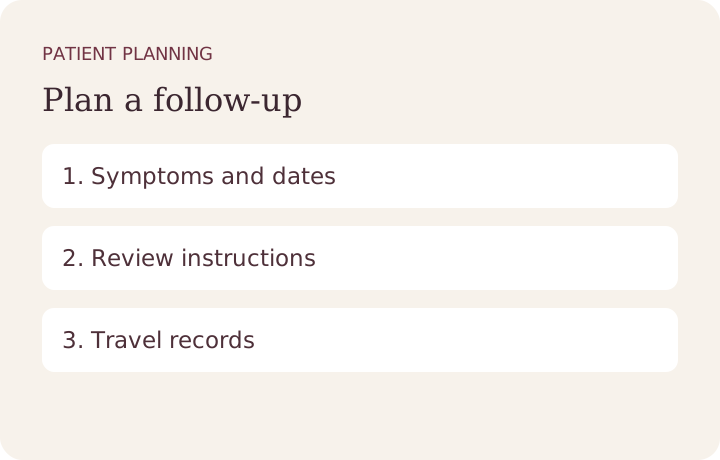
A complication may become apparent after the day of extraction, so avoid treating the procedure as the last event of a tightly scheduled trip. Ask your treating clinic how to reach it, where to seek urgent care outside its hours and whether a review is appropriate before departure. Keep your discharge instructions, tooth identification, procedure date, imaging, medication list and any details of a dressing. If symptoms begin on the journey or after arrival home, a local dentist can examine you; a remote photo does not replace that assessment. Travel dates should be discussed with your surgeon in light of your procedure and symptoms.
References: Guy’s and St Thomas’: dental surgery recovery · Mayo Clinic: dry socket diagnosis and treatment
A relevant listed clinic
S-Face Dental Clinic is listed on this platform and its international website identifies wisdom-tooth removal and oral surgery among its services. It may therefore be relevant when comparing extraction and follow-up arrangements before treatment in Seoul. Confirm the clinic’s actual availability and after-hours arrangements directly; its listing does not mean it is an emergency department or that a particular treatment is suitable for you. Review its profile and international website for service information. If you develop airway symptoms, rapidly increasing swelling or severe illness, seek emergency care immediately rather than waiting for any routine consultation.
References: S-Face international website
Questions to take to the appointment
What did you find on examination, and what other causes of pain were considered? Does the socket need irrigation, a dressing or another treatment? When should pain begin to ease, and who should I contact if it does not? Does a dressing need a further visit? What cleaning and food instructions apply to my situation? Are any medicines appropriate with my medical history? If I am leaving Seoul, which records should I bring to a dentist at home? Finally ask which changes require urgent or emergency assessment. A short written plan is particularly useful if pain, language differences or travel fatigue make details hard to remember.
References: Guy’s and St Thomas’: dental surgery recovery · Mayo Clinic: dry socket diagnosis and treatment
Can a dry socket be managed remotely?
A clinic can use a call to understand your symptoms and advise on urgency, but a photo or message alone may not establish the cause of severe postoperative pain. The examination guides whether irrigation, a dressing or another intervention is appropriate. If you have returned home, seek local dental assessment and share the extraction record. Do not put clove oil, cotton, tablets or other materials into the socket on your own. A dressing placed by a clinician has a specific purpose and follow-up plan. Escalate immediately for difficulty breathing or swallowing, rapidly increasing swelling or severe illness.
References: Guy’s and St Thomas’: dental surgery recovery · Mayo Clinic: dry socket diagnosis and treatment
How does dry socket differ from normal healing?
Normal recovery can include soreness, swelling and a visible depression at the extraction site. The experience varies with the procedure. Dry socket is suspected when the history and examination show a characteristic painful healing problem; it cannot be confirmed by appearance or timing alone. Increasing pain after a few days, particularly with a bad taste, is a useful reason to call the dentist. Give the team the trend instead of only rating pain at one moment. They may ask you to attend to rule out another complication. If swelling is rapidly spreading, or breathing or swallowing becomes difficult, seek emergency care immediately.
References: Guy’s and St Thomas’: dental surgery recovery · Mayo Clinic: dry socket diagnosis and treatment
What can increase the risk?
Smoking is associated with a greater risk of dry socket, and NHS hospital guidance also identifies the contraceptive pill as a possible risk factor. The risk varies and no individual can be told from these factors alone that the complication will or will not occur. Tell the surgeon about smoking or vaping, medicines and previous extraction problems before treatment, and ask for a practical plan to reduce risk. Do not stop prescribed medication, including contraception, without the prescribing clinician’s advice. Even with careful aftercare, a painful socket can occur. The purpose of follow-up is to identify problems early, not to blame a patient for developing them.
References: Guy’s and St Thomas’: dental surgery recovery · Mayo Clinic: dry socket diagnosis and treatment
How should I handle pain relief?
Ask a pharmacist or clinician which pain medicine is appropriate for you and follow the label or prescribed directions. Your other medicines, allergies, medical conditions and pregnancy status can change what is suitable. Avoid taking overlapping products containing the same ingredient, and do not exceed the recommended dose. Pain that remains severe despite appropriate medicine should lead to a dental review rather than repeated extra doses. Never place aspirin, crushed tablets or concentrated oils against the gum. Keep a list of what you have taken and when so the dental team can plan safely. A medicine may reduce discomfort without identifying or treating its cause.
References: Guy’s and St Thomas’: dental surgery recovery · Mayo Clinic: dry socket diagnosis and treatment
What should the written handover include?
Ask for the tooth and extraction date, the procedure performed, relevant imaging, prescribed or recommended medicines, and the findings at any review. If the dentist placed a dressing, request its name if available and whether it needs a further visit. Record the clinic’s contact details and any specific warning signs or cleaning instructions. This information is useful if you cross a time zone or see a different dentist, but it should not delay urgent care. A local clinician can ask for further records if needed. If pain changes after returning home, seek assessment where you are rather than waiting for a return trip to Seoul.
References: Guy’s and St Thomas’: dental surgery recovery · Mayo Clinic: dry socket diagnosis and treatment
Explore the care and related reading
Explore related care in Seoul
These profiles describe published clinical interests and services. Compare the team and ask whether the proposed care fits your diagnosis.
- S-Face Dental Clinic — Apgujeong · Gangnam
- Magok Pureunmaeum Dental Clinic — Magok · Gangseo
- Dr. Gin-Ah Song — Oral and maxillofacial surgery at S-Face Dental Clinic.
- Dr. Park Kyung Ran — Oral and maxillofacial surgery background; confirm current appointment availability directly.
Clinical references and further reading for the explanations on this page. The guide is general patient education; your dentist determines the plan for your examination findings.
Guy’s and St Thomas’: dental surgery recovery >Mayo Clinic: dry socket diagnosis and treatment >S-Face international website >