Quick answer
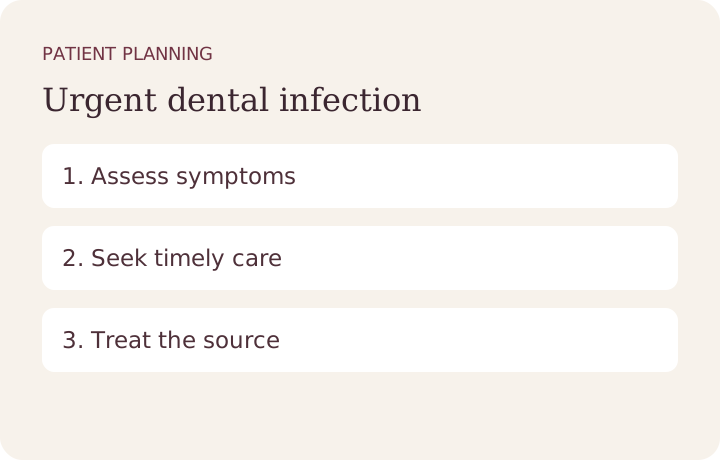
A dental abscess needs urgent dental assessment and treatment of the source; it does not reliably resolve because pain decreases or pus drains. Treatment may involve drainage, root canal care, periodontal treatment or extraction, with antibiotics in selected circumstances. Difficulty breathing, speaking, swallowing or opening the mouth with a suspected dental infection, rapidly spreading swelling or swelling around the eye requires emergency medical attention rather than waiting for a routine appointment.
What an abscess means
An abscess is a collection of pus associated with a dental infection. A problem may start inside a tooth or in the tissues around it, and the location affects the treatment a dentist can offer. Pain, tenderness when biting, a bad taste, gum swelling, a raised temperature, or swelling of the face can occur, but the pattern differs between people. A draining pimple on the gum or a temporary reduction in pain is not proof that the source is gone. Arrange urgent dental assessment. This guide helps you describe the problem and understand likely decisions; it cannot diagnose an infection or establish the right treatment remotely.
References: NHS: dental abscess · NHS clinical guidance on urgent dental care
When to go to emergency care
Difficulty breathing, swallowing or speaking, difficulty opening your mouth in the setting of a suspected dental infection, swelling around an eye or a change in vision, a large or rapidly spreading swelling in the mouth, or severe illness needs immediate emergency medical assessment. Do not wait for a dental email, a cosmetic consultation or a flight. In South Korea, go to an emergency department or call 119 for an ambulance. If swelling is increasing or fever develops without those emergency symptoms, seek urgent professional advice rather than assuming it is routine. Tell the triage team about immune suppression, diabetes, medicines and allergies, because the urgency and care setting depend on the whole clinical picture.
References: NHS: dental abscess · NHS clinical guidance on urgent dental care · UK government: South Korea emergency medical number
What to tell the dental team
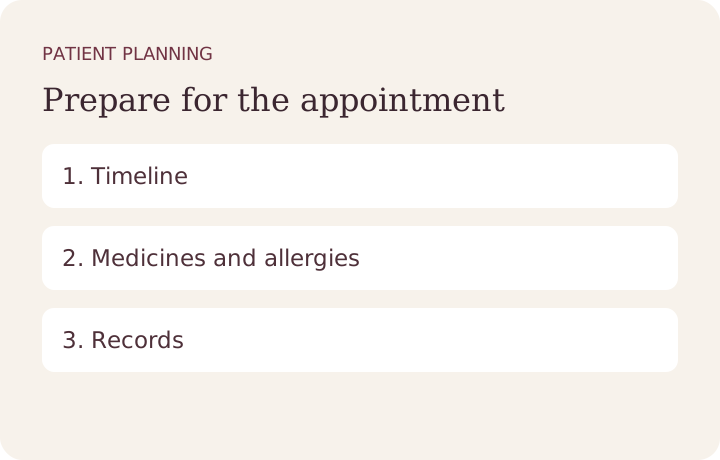
Give a short timeline: where the discomfort began, whether pain is continuous or brought on by pressure or temperature, when swelling started, and whether it is changing. Mention fever, a bad taste, drainage, trouble opening your mouth and any recent injury or dental procedure. If you have taken a medicine, record the name, dose and time rather than saying only that you took a painkiller. List drug allergies and previous reactions. Tell the team if you are pregnant, have diabetes or take medicines that affect immunity or bleeding. Bring any recent dental images or treatment notes if readily available, but do not delay urgent assessment while trying to collect them.
References: NHS: dental abscess · NHS clinical guidance on urgent dental care
How a dentist finds the source
A dentist will usually examine the teeth, gums and swelling and ask about symptoms. Tests can include tapping or assessing a tooth, checking the gums or considering an appropriate dental X-ray. Imaging is chosen for a clinical question; it is not a substitute for an examination and a three-dimensional scan is not automatically necessary. Pain can be referred, so the tooth that feels most painful is not always the source. The dentist may explain whether the problem appears to originate inside a tooth or around it and what remains uncertain. Ask what findings support the proposed diagnosis and whether another diagnosis or referral needs consideration.
References: NHS: dental abscess · NHS clinical guidance on urgent dental care
Drainage and preserving the tooth
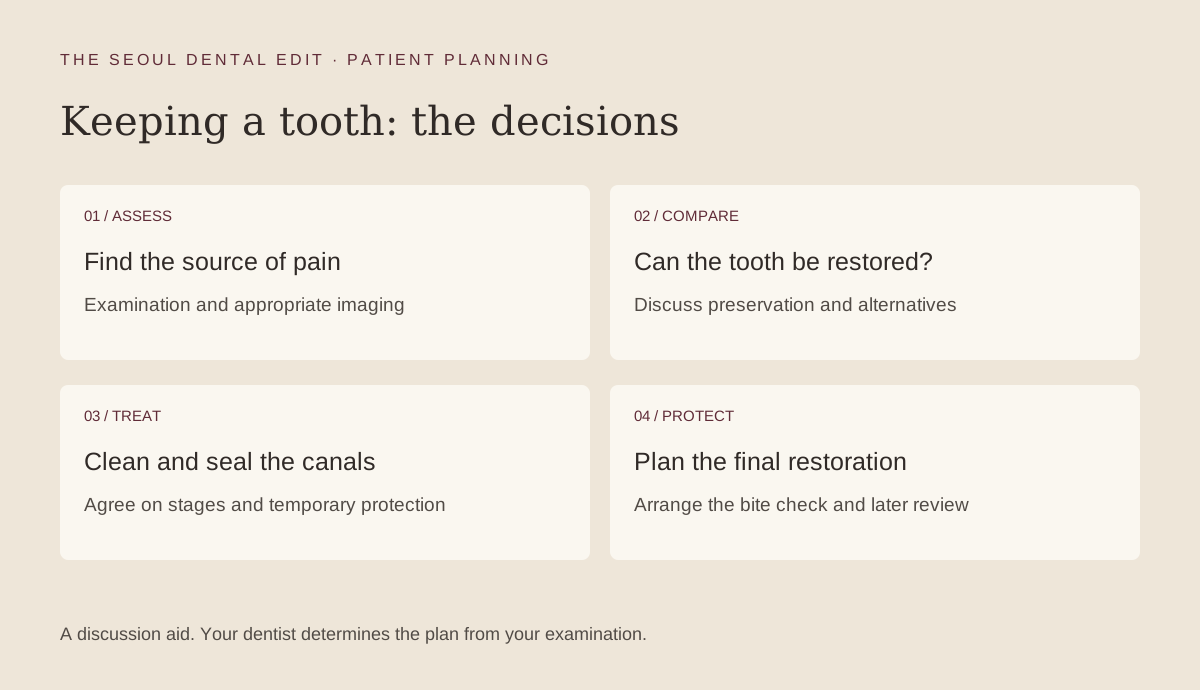
Treatment aims to address the source and relieve the collection where clinically appropriate. Depending on the examination, the dentist may drain an abscess through a tooth, through an incision or by another suitable route. If a tooth can be preserved, root canal treatment may remove infected tissue from its internal canals and be completed over one or more visits. The tooth may later require a restoration to protect it. If gum disease is the cause, periodontal care may be needed instead. Ask whether the first appointment is an emergency step or definitive care, and which symptoms should improve before the planned review.
References: NHS: dental abscess · NHS clinical guidance on urgent dental care
When extraction is considered
Extraction may be discussed when the tooth cannot reasonably be restored or another treatment is unsuitable. That decision depends on the remaining tooth structure, the supporting bone and gum, the extent of a crack if present, and your preferences after alternatives are explained. Ask what information would change the prognosis, whether a specialist opinion is appropriate, and whether the urgent infection must be controlled before a final replacement plan. Extraction is not automatically followed by an immediate implant. A bridge, removable replacement or leaving a space may also be discussed separately. A decision under pain and time pressure deserves a clear explanation of what happens next.
References: NHS: dental abscess · NHS clinical guidance on urgent dental care
Antibiotics have a limited role
Antibiotics are not a replacement for dental drainage or treatment of the source when those measures are needed and feasible. A clinician may prescribe them when there are signs of spreading infection or systemic involvement, or other circumstances that make them appropriate. They choose the medicine and duration for the individual; never use another person’s tablets or repeat a leftover course without advice. Explain allergies and recent prescriptions. If medicine is prescribed, ask what response is expected, what adverse effects require help, and when to be reassessed. Worsening swelling, breathing or swallowing trouble calls for emergency care, not simply another dose or a longer wait.
References: NHS: dental abscess · NHS clinical guidance on urgent dental care
While arranging urgent care
Contact a dentist promptly and explain the symptoms and their progression. A pharmacist or clinician can advise whether an appropriate over-the-counter pain medicine is suitable for you, considering your other medicines and conditions; follow the product directions and never exceed the stated dose. Soft foods may be easier to tolerate, and a soft toothbrush can help you continue gentle cleaning. Avoid putting aspirin, alcohol, heat or household chemicals on the gum, squeezing swelling, or attempting to drain it yourself. These steps do not cure the infection. If you cannot obtain timely care and symptoms worsen, use local urgent-care resources rather than waiting for a travel appointment.
References: NHS: dental abscess · NHS clinical guidance on urgent dental care
Planning travel and continuity
Do not travel to Seoul for an elective appointment while postponing an acute infection where you are. If symptoms start in Seoul, seek care locally and tell the clinician your departure date. Ask whether the diagnosis and first treatment can be documented in English, what review is recommended, and whether a temporary filling or dressing requires a further visit. Request copies of X-rays, prescriptions, treatment notes and a summary of unresolved work for your home dentist. A change in symptoms after an appointment may change the plan. Keep an accessible contact for urgent review and identify a local provider at home before leaving Korea.
References: NHS: dental abscess · NHS clinical guidance on urgent dental care
A relevant Seoul clinic to investigate
OnO Dental Clinic is listed on this platform and its international site describes cavity and root canal care. This makes it a possible source of information for patients who need assessment of a potentially infected tooth, but availability, urgency, suitable treatment and fees must be confirmed directly. Its listing is selected for the stated relevant service, not a claim that it is the best option or provides emergency hospital care. Review the clinic profile and its international website. For breathing or swallowing difficulty, eye symptoms or rapidly spreading swelling, use emergency medical care instead of waiting for any routine clinic response.
References: OnO Dental Clinic international website
Questions before leaving the appointment
Ask: What caused the infection and how certain is that diagnosis? Has the collection been drained and has the source been treated? Is the tooth restorable, and what are the alternatives? If a temporary filling was placed, when must it be replaced? What improvement should I expect and when should I contact you sooner? If an antibiotic is prescribed, why is it needed in my case? Will I need an X-ray or notes for my home dentist? Finally, establish who can reassess you after hours and after you return home. These questions help prevent urgent relief from being mistaken for a completed treatment plan.
References: NHS: dental abscess · NHS clinical guidance on urgent dental care
Can an abscess heal by itself?
A dental abscess needs professional treatment. Pain or pressure can temporarily improve if an abscess drains, while the underlying source remains. A clinician must determine whether drainage, root canal treatment, gum treatment or extraction is appropriate. If you notice a new bad taste or a small draining area, tell the dentist rather than assuming the problem has resolved. An online photograph cannot establish whether an infection is contained, and a planned overseas consultation is not a reason to delay urgent care where you are. A safe follow-up plan names the clinician, the review timing and the symptoms that require earlier assessment.
References: NHS: dental abscess · NHS clinical guidance on urgent dental care
What if the swelling starts draining?
A small bump on the gum may release fluid and produce a salty or unpleasant taste. Pressure may decrease, but that does not tell you whether the infection source has been removed. Contact a dentist promptly, explain the change and ask how quickly you should be seen. Do not squeeze or puncture the area yourself. Keep a note of any change in swelling, fever or mouth opening. Drainage can recur, and the clinician may need to locate the tooth or gum pocket responsible. If swelling is spreading or you feel unwell, make that clear when arranging care. If swallowing or breathing becomes difficult, use emergency medical care rather than waiting for a dental appointment.
References: NHS: dental abscess · NHS clinical guidance on urgent dental care
What if pain stops suddenly?
A sudden change in pain is not a dependable test of healing. The cause may still need treatment even when a tooth hurts less than before. Do not cancel an assessment simply because a painkiller worked or a swelling discharged. The dentist needs to examine the tooth and surrounding tissues, review any prior treatment and decide whether imaging or another test is appropriate. Tell the team whether the pain disappeared after drainage, medication or no apparent reason. If there is new fever or worsening swelling, seek urgent dental advice. Difficulty opening the mouth with a suspected dental infection, or breathing, speaking or swallowing problems, requires immediate emergency medical assessment; do not wait for a dental appointment.
References: NHS: dental abscess · NHS clinical guidance on urgent dental care
Choosing between urgent relief and a longer plan
An urgent appointment may focus on controlling infection and pain. It may not settle the choice of a final crown, a replacement tooth or cosmetic work. Before agreeing to further treatment, ask the dentist to separate urgent steps from later options, state what is known about the tooth’s restorability, and provide an estimate and timing in writing. You can ask for an explanation or a second opinion when the condition is stable enough to do so. Arrange the next clinically necessary appointment before your travel schedule makes it difficult. A clear handover to another dentist can make staged treatment safer and easier to understand.
References: NHS: dental abscess · NHS clinical guidance on urgent dental care
Explore the care and related reading
Explore related care in Seoul
These profiles describe published clinical interests and services. Compare the team and ask whether the proposed care fits your diagnosis.
- Lime Tree Dental Hospital — Myeongdong
- Magok Pureunmaeum Dental Clinic — Magok · Gangseo
- Dr. Minji Kang — Conservative dentistry and tooth restoration at Lime Tree Dental Hospital.
- Dr. Park Hyo Jin — Conservative dentistry and aesthetic restoration at Magok Pureunmaeum Dental Clinic.
Emergency guidance checked 3 November 2026; provider sources were checked earlier.
NHS: dental abscess >NHS clinical guidance on urgent dental care >OnO Dental Clinic international website >UK government: South Korea emergency medical number >